Introduction
Yekaterinburg’s rich cultural life and strong higher‑education scene create fertile ground for music education. For students, future educators, and emerging professional musicians, local conservatories, universities, and performance venues are laboratories for pedagogical experimentation, personal development, and career-building. This article outlines contemporary pedagogical practices, daily realities of college life, and concrete steps toward professional growth in the context of Yekaterinburg.
The local ecosystem: institutions and cultural resources
— Major training centers: conservatories and university music departments (for example, the Ural State Conservatory and programs within Ural Federal University) provide formal training, research opportunities, and performance platforms.
— Performance venues: the city’s opera and ballet theatre, chamber halls, philharmonic series, and independent clubs host regular concerts and masterclasses—key sites for observation and practical experience.
— Community partners: municipal schools, youth music centers, cultural houses, and festivals offer teaching placements, outreach projects, and ensemble collaborations.
— Professional networks: local ensembles, teachers’ associations, and music festivals create mentorship and employment channels.
Contemporary pedagogical practices for future educators
— Student‑centered learning: prioritize active music-making, project work, and reflective practice over purely lecture‑based instruction.
— Differentiated instruction: adapt repertoire and exercises to varied technical levels, learning styles, and cultural backgrounds.
— Formative assessment: use short, frequent assessments (recordings, peer feedback, mini‑recitals) to guide learning rather than relying only on high‑stakes exams.
— Integrated curriculum: combine ear training, theory, history, improvisation, and technology in applied lessons so students develop holistic musicianship.
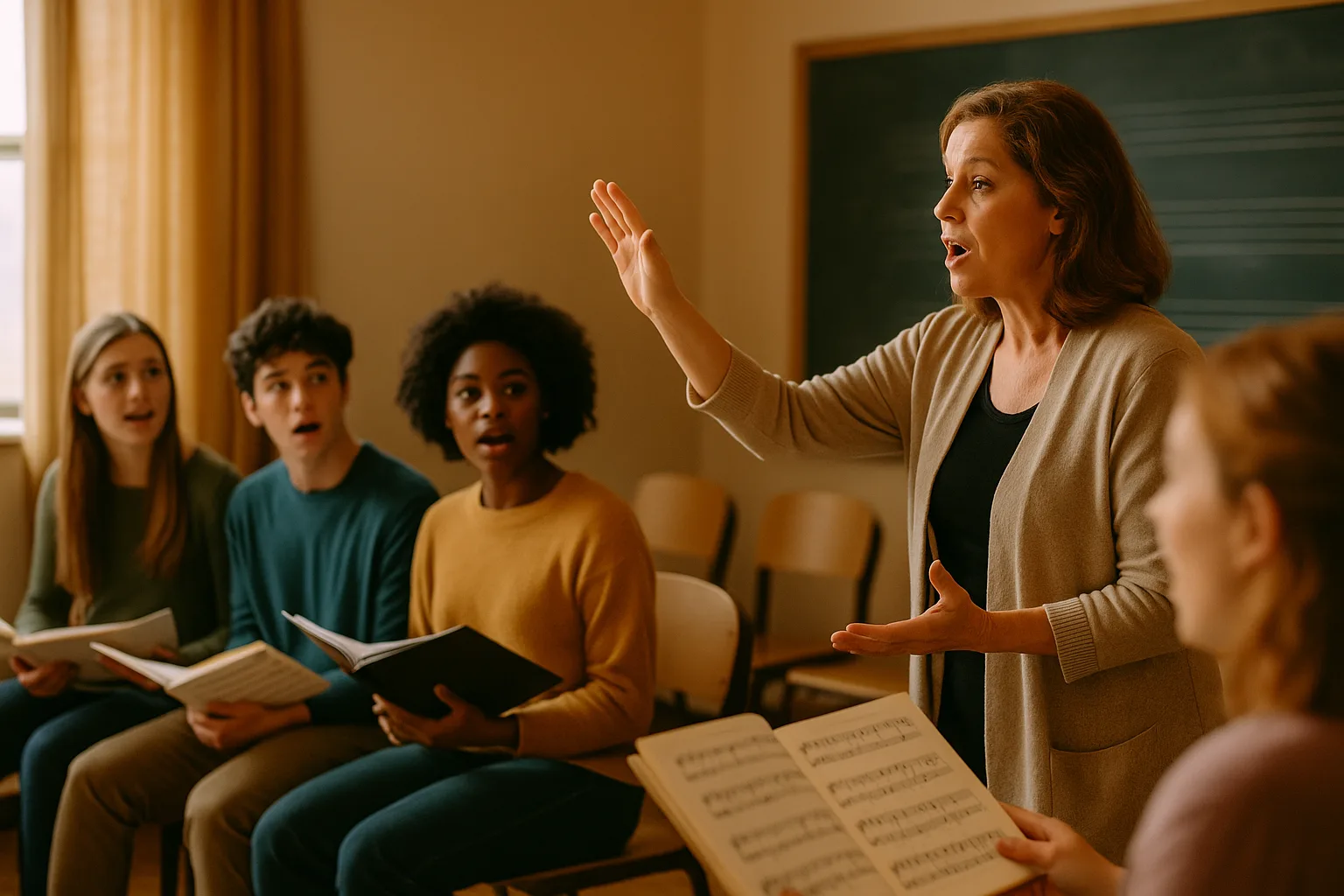
— Collaborative learning: emphasize chamber music, ensembles, and peer teaching to build communication and leadership skills.
— Inclusive pedagogy: design lessons for diverse learners (special needs, different ages, non‑traditional students), promoting accessibility and community engagement.
— Technology integration: incorporate DAWs, notation software, online lesson platforms, and apps for practice tracking and flipped‑classroom models.
Student development and college life in Yekaterinburg
— Balancing practice and coursework: successful students schedule daily technique sessions, focused repertoire practice, and ensemble rehearsals alongside academic classes.
— Performance as learning: frequent student recitals, open rehearsals, and public outreach accelerate growth and reduce stage anxiety.
— Masterclasses and visiting artists: take advantage of guest residencies and workshops to broaden stylistic perspectives and build contacts.
— Peer communities: student groups, ensembles, and informal jams provide emotional support, collaborative learning, and networking.
— Practical experience: teaching practicums in local schools, ensemble leadership roles, and part‑time gigs in venues or events develop real‑world skills and income streams.
— Wellbeing and time management: maintain physical health (vocal care, ergonomics for instrumentalists), mental health supports, and realistic practice planning.
Professional growth: pathways and strategies
— Diverse career models: performance, school teaching, conservatory faculty, private teaching, arts administration, music therapy, and freelance entrepreneurship are all viable.
— Portfolio building: keep high‑quality recordings, annotated repertoire lists, teaching videos, lesson plans, and student testimonials.
— Certification and continuing education: pursue advanced degrees, pedagogy diplomas, and summer academies; attend seminars on contemporary methods and assessment.
— Networking and visibility: perform in local venues, present at conferences, collaborate with visual artists and community groups, and maintain an up‑to‑date online presence (website, social media, streaming platforms).
— Entrepreneurship: learn basic business skills—contract negotiation, marketing, grant writing, and event organization—to sustain freelance careers.
— International outlook: seek exchange programs, competitions, and collaborations that expand stylistic fluency and professional contacts.
Practical checklist for students and early‑career educators in Yekaterinburg
— Use institutional resources: attend all conservatory masterclasses, leverage teacher office hours, and join ensembles.
— Volunteer in schools and cultural centers to build teaching experience and community ties.
— Record monthly performance or lesson videos to track progress and create a portfolio.
— Seek mentors among faculty and established local musicians; ask for feedback and references.
— Learn to use at least one DAW and a notation program; incorporate them into lessons and recitals.
— Apply for local grants, festival slots, and teaching placements—small projects build credibility.
— Balance repertoire: maintain core technical pieces while exploring contemporary and regional repertoire.
— Prioritize health: schedule rests, cross‑train physically, and seek psychological support if performance anxiety affects work.
Conclusion
Yekaterinburg offers a dynamic blend of educational institutions, performance opportunities, and community settings where future educators and musicians can grow. By combining student‑centered pedagogies, practical teaching experience, ongoing professional development, and active engagement with the city’s cultural life, emerging professionals can build resilient, creative careers that