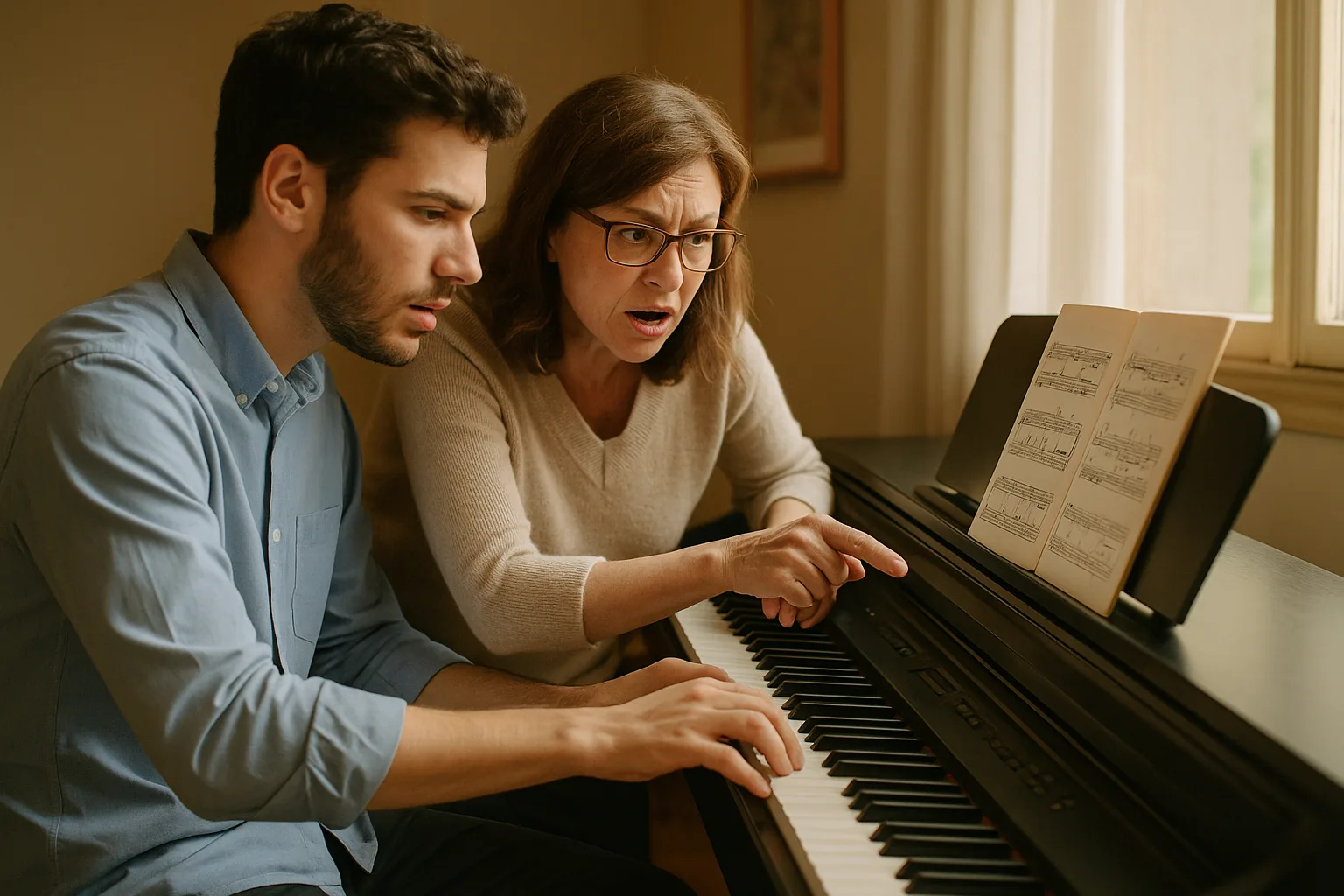
Growing Musicians and Teachers in Ekaterinburg
An overview of contemporary music education, pedagogical practice, student development, college life, and career-building for future educators and musicians in Ekaterinburg.
Ekaterinburg’s musical ecosystem — a strong foundation
Ekaterinburg combines a robust institutional base (conservatories, colleges, philharmonic and theatre companies) with an active cultural life. That environment gives students real stages, ensembles and community projects to practice both musicianship and pedagogy. Local organizations — from higher-education conservatory programs to regional orchestras and music schools — form a practical training ground for tomorrow’s teachers and performers.
What modern music pedagogy looks like here
Contemporary pedagogical practice in Ekaterinburg balances tradition with innovation:
— Student-centered learning: individualised plans that respect each student’s pace and goals.
— Project- and performance-based learning: regular recitals, ensemble projects and community concerts as core assessment tools.
— Mentorship and masterclasses: experienced performers and visiting professors bridge conservatory teaching with professional standards.
— Integrating theory and practice: coursework that tightly couples aural training, repertoire study and pedagogical methods.
— Use of digital tools: recording technology, online lesson platforms and score annotation apps for remote and blended teaching.
— Inclusive approaches: adapting methods for children, adults, and students with diverse needs.
Student development: beyond scales and repertoire
Holistic development prepares students for multiple career paths — teacher, performer, researcher, or arts manager. Key development targets:
— Technical mastery and musicianship: daily disciplined practice combined with stylistic study.
— Teaching skills: lesson planning, classroom management, assessment techniques, and supervised practicum in local schools.
— Performance experience: regular solo and ensemble opportunities in city venues and festivals.
— Professional skills: networking, self-promotion, CV/portfolio building, and entrepreneurial thinking for freelance careers.
— Resilience and wellbeing: time management, performance psychology, and strategies for preventing burnout.
— Research and reflective practice: small-scale action research on teaching methods and student outcomes.
College life in Ekaterinburg — what students can expect
— Intense schedules: combination of private lessons, ensemble rehearsals, theory classes and pedagogical seminars.
— Rich performance calendar: conservatory halls, the philharmonic, opera and ballet theatres, and city festivals provide frequent platforms.
— Community engagement: partnerships with municipal schools and cultural centres for teaching practice and outreach.
— Peer learning: student ensembles, clubs and informal chamber groups form key support networks.
— Living and affordability: Ekaterinburg is more affordable than Russia’s largest cities, but students should plan budgets around instrument maintenance, score purchases and travel for competitions.
Practical steps for students and early-career educators
— Seek diverse performance contexts: solo, chamber, orchestral, studio and community concerts to build versatility.
— Prioritize supervised teaching practice early: observe, co-teach and then lead lessons in school settings.
— Build a professional portfolio: recordings, lesson plans, student testimonials and videos of teaching samples.
— Network proactively: attend masterclasses, volunteer at local festivals, and cultivate mentors among faculty and visiting artists.
— Embrace technology: create online lesson content, use recording for self-assessment, and maintain a professional online presence.
— Learn entrepreneurship: basic contract literacy, pricing lessons, grant applications and small-scale project management.
— Invest in mental health strategies: establish regular routines, peer support groups and access counselling if needed.
Recommendations for institutions in Ekaterinburg
— Strengthen school–conservatory partnerships: create stable pathways for student teachers into municipal schools and community programmes.
— Expand practicum diversity: ensure students experience different age groups, group teaching and special-needs contexts.
— Encourage research in pedagogy: support small action-research projects that improve classroom outcomes and inform curricula.
— Formalize mentorship programmes: pair students with long-term professional mentors in performance and pedagogy.
— Integrate career education: offer courses on freelancing, cultural management and digital pedagogy.
— Promote public engagement: incentivize community concerts and workshops that both train students and build local audiences.
Examples of short projects to run locally
— “Music in the District”: student-run mini-concerts and workshops at neighborhood cultural houses and schools.
— Peer Teaching Lab: supervised micro-teaching sessions with feedback panels from faculty and local school teachers.
— Digital Portfolio Sprint: a semester module where students produce a teaching video series, lesson plans and a promotion kit.
— Ensemble Mentorship: advanced students coach school chamber groups, combining pedagogical experience with performance coaching.
Measuring success — outcomes to track
— Student outcomes: technical progress, teaching competency, employment in schools/theatres, and continued study.
— Community impact: number of outreach events, student/teacher feedback from partner schools, and audience growth.
— Professional placement: graduates employed in education, performance, arts administration, or entrepreneurial ventures.
— Research output: pedagogical studies, curriculum improvements and classroom innovations adopted regionally.
Final thought
Ekaterinburg’s thriving cultural scene and educational institutions create a fertile environment for forming versatile musicians and thoughtful educators. By blending time-honoured technique with modern pedagogy, community engagement and professional skills training, the city can continue to shape resilient, creative and employable graduates who enrich both classrooms and concert halls.
If you’d like, I can draft a semester-long practicum outline, a sample digital-portfolio checklist for students, or a proposal template for a school–conservatory partnership specific to Ekaterinburg.