Introduction
Ekaterinburg is a vibrant cultural hub in the Urals where music education and college life intersect with a lively concert scene and growing opportunities for young professionals. For aspiring educators and performers, success depends not only on technical skill but on reflective pedagogy, purposeful student development, and smart engagement with the city’s institutions and communities.
The Ekaterinburg context
— The city offers conservatories, music colleges, and cultural centers that provide diverse training and performance platforms.
— Local audiences, regional festivals, and public institutions create demand for skilled teachers and adaptable performers.
— Economic realities and shifting cultural funding mean graduates must combine artistry with entrepreneurial and pedagogical fluency.
Modern pedagogical practices for colleges
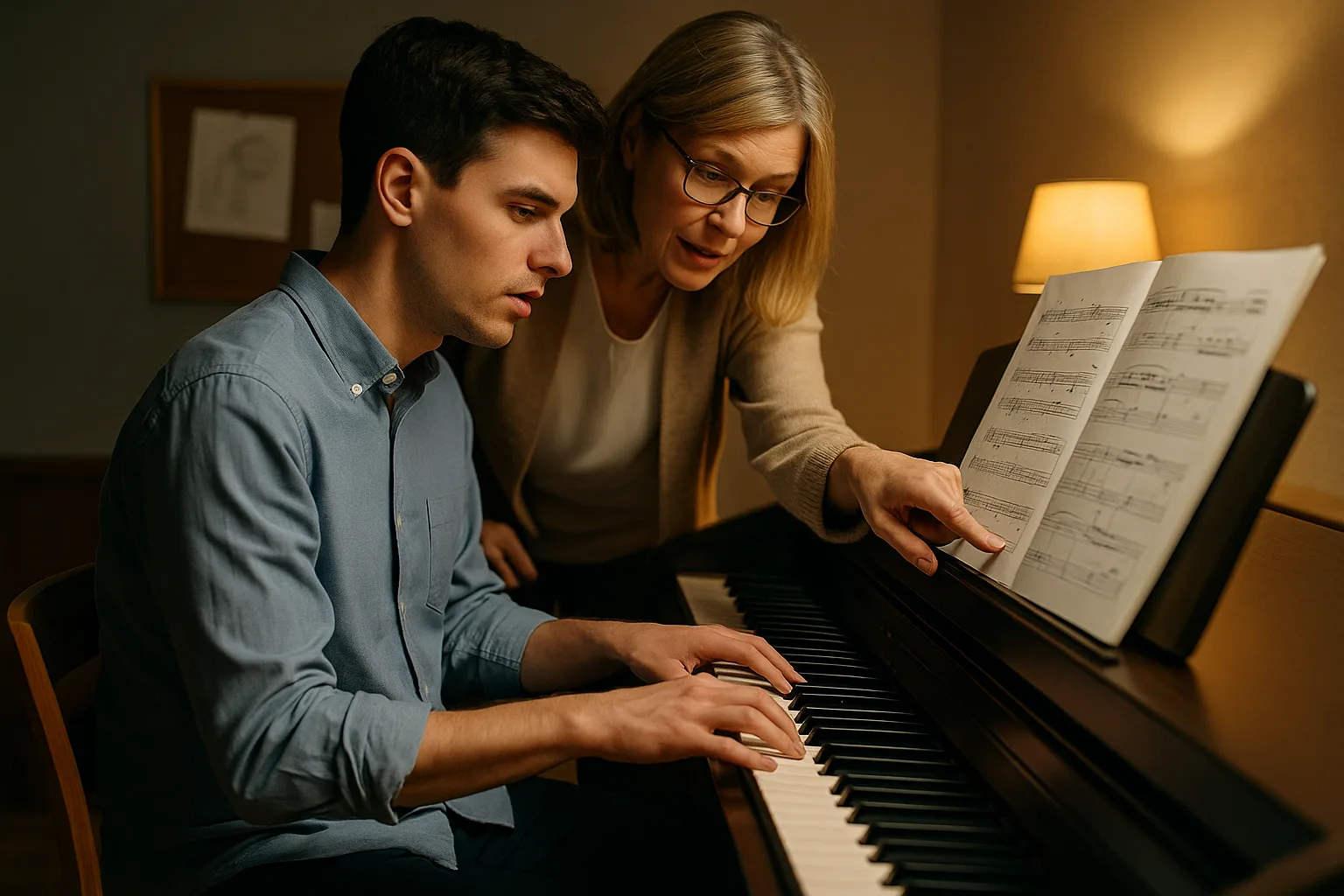
— *Student-centered learning*: Shift from teacher-dominated lessons to co-created goals, individualized practice plans, and regular formative feedback.
— *Blended instruction*: Combine one-on-one lessons with group seminars, peer teaching, and online resources to maximize practice efficiency.
— *Interdisciplinary projects*: Link music study with literature, history, movement, and technology to broaden students’ creative and employability skills.
— *Reflective assessment*: Use portfolios, recorded lesson reviews, and self-evaluation rubrics instead of relying exclusively on final juries.
Supporting student development
— Goal-setting: Encourage SMART goals (Specific, Measurable, Achievable, Relevant, Time-bound) for technical, interpretive, and teaching milestones.
— Practice strategies: Teach deliberate practice methods—short focused sessions, slow practice with metronome, and targeted problem-solving for passages.
— Performance psychology: Integrate stage-fright workshops, breathing techniques, and mock performances into curricula.
— Career literacy: Offer modules on CVs, audition preparation, grant writing, and digital presence tailored to the regional market.
Enhancing college life and peer learning
— Peer ensembles and chamber groups: Make these core to the curriculum; they build listening, leadership, and rehearsal skills.
— Cross-year mentorships: Pair advanced students with newcomers for teaching practice, administrative tasks, and social support.
— Campus concerts and outreach: Regularly stage informal “work-in-progress” recitals to normalize performance and create local audience ties.
— Balanced student wellbeing: Promote time management workshops, mental health resources, and flexible schedules during exam periods.
Building professional growth for future educators and musicians
— Micro-teaching opportunities: Simulated classroom sessions with feedback from mentors accelerate pedagogical competence.
— Community partnerships: Collaborate with schools, cultural centers, and elder care homes across Ekaterinburg to create teaching placements and outreach concerts.
— Industry networks: Facilitate connections with local theaters, orchestras, and event organizers to secure internships and freelance gigs.
— Continuous learning: Encourage attendance at masterclasses, conferences, and short courses—locally and online—to stay current with repertoire and methods.
Practical recommendations for institutions in Ekaterinburg
— Create integrated curricula that balance performance, pedagogy, and entrepreneurship.
— Formalize partnerships with schools and cultural venues for structured student teaching placements.
— Invest in recording labs and hybrid-learning tech to support modern practice and remote masterclasses.
— Foster alumni networks to mentor students and open regional job pipelines.
Sample weekly plan for a college music student
— Monday: Individual lesson + one-hour deliberate practice (technique focus)
— Tuesday: Chamber rehearsal + pedagogy seminar (micro-teaching prep)
— Wednesday: Masterclass or ensemble coaching + career workshop (audition prep)
— Thursday: School outreach teaching block (2–3 hours) + reflection journal
— Friday: Mock performance + peer feedback session
— Weekend: Focused practice blocks, self-directed research, and a community gig or listening study
Assessment and career-ready milestones
— Use a combination of: recorded portfolios, teaching evaluations from real placements, public recital reviews, and a capstone project that demonstrates teaching and performance integration.
— Define clear milestones across years: foundational technique and pedagogy (Year 1–2), applied teaching and ensemble leadership (Year 3), professional transition plan and residency/internship (Final year).
Conclusion
Ekaterinburg’s rich cultural life provides excellent soil for cultivating musicians and educators. By centering pedagogy on students’ needs, combining classroom learning with real-world teaching experience, and encouraging entrepreneurial skills, colleges can prepare graduates who thrive artistically and professionally. For students, the path to success is deliberate practice, reflective teaching, active community engagement, and continuous skill expansion—both musical and administrative.
Quick action checklist
— For students: create a 6-month SMART plan, seek one community placement, and record a monthly performance for your portfolio.
— For teachers: implement one peer-teaching session per term and adopt at least two formative assessment tools.
— For administrators: formalize at least one partnership with a local school or cultural institution and invest in hybrid-learning infrastructure.