Introduction
Ekaterinburg is a thriving cultural hub in the Urals, with conservatories, philharmonics, theaters and a lively community music scene. For music students and future educators, the city offers rich opportunities—but realizing them requires intentional pedagogical design, student-centered support, and strong links between college life and the professional world.
This article outlines practical pedagogical practices, student-development strategies, and institutional actions that can strengthen the professional growth of future educators and musicians in Ekaterinburg.
The local context: assets and opportunities
— The Ural conservatory tradition and city ensembles (such as the Ural Philharmonic) provide high-level performance and mentorship opportunities.
— A dense network of music schools, theaters, museums and cultural festivals creates plentiful sites for student teaching, outreach, and internships.
— Regional needs in smaller towns across Sverdlovsk Oblast create real-world teaching placements and community-music projects.
Pedagogical practices for modern music education
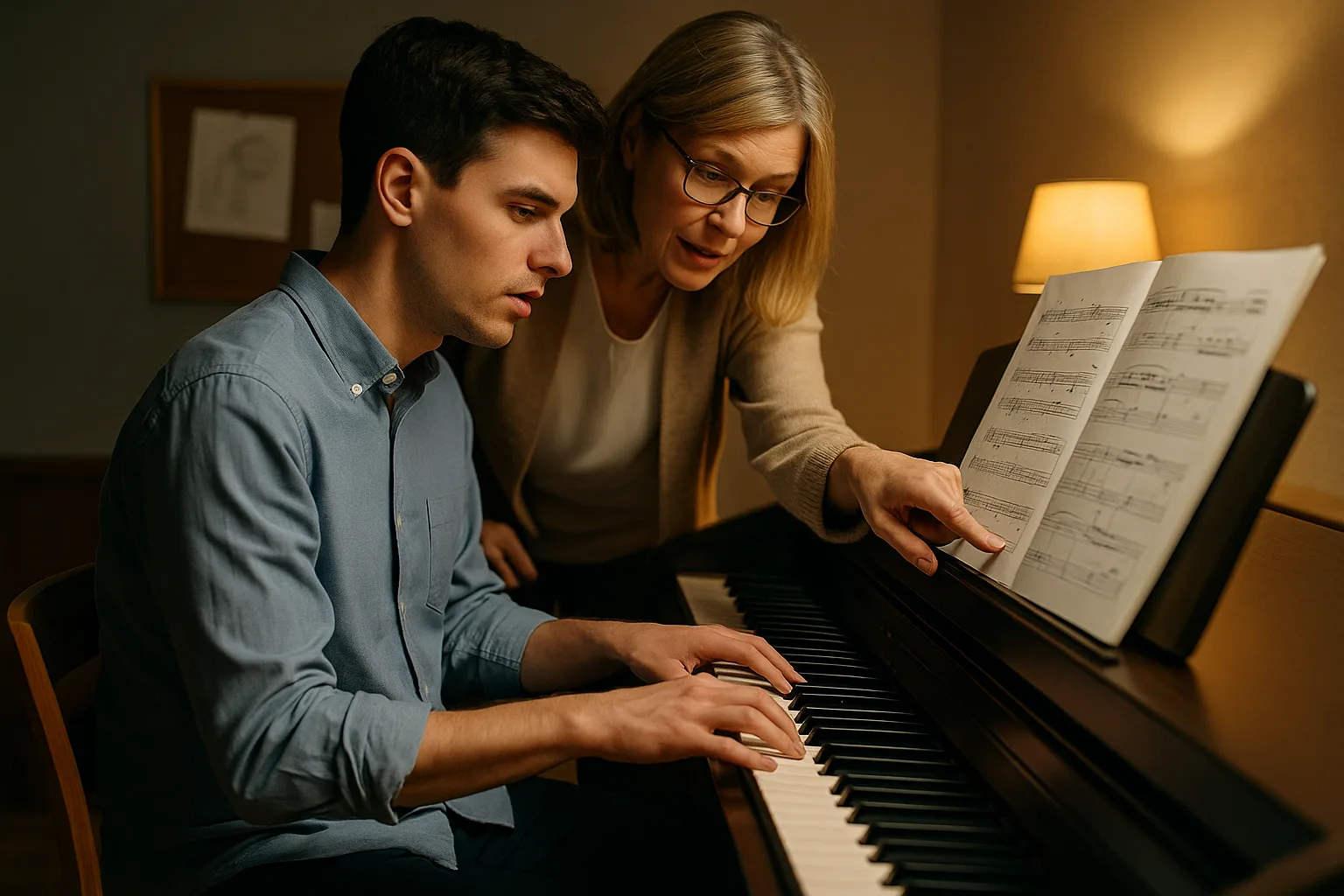
— Blend performance and pedagogy. *Integrate teaching practicums with ensemble assignments* so students learn to teach by doing and reflect on their performance choices in pedagogical terms.
— Use scaffolded, competency-based curricula. Define clear, progressive competencies for performance, aural skills, classroom management, and technology use.
— Emphasize reflective practice. Require teaching journals, video self-assessments, and peer feedback cycles after every practicum lesson or masterclass.
— Adopt inclusive and culturally responsive methods. Train students to adapt repertoire and pedagogy for diverse ages, abilities and community contexts across the region.
— Incorporate technology intentionally. Teach notation software, DAWs, remote lesson platforms, and digital assessment tools as part of core training—not as optional add-ons.
— Foster collaborative teaching models. Encourage co-teaching, interdisciplinary projects with dance, drama or visual arts, and teacher-student research teams.
Student development: skills, mindset, and portfolio
— Build a balanced skills matrix:
— Performance excellence (repertoire, chamber music, sight-reading)
— Pedagogical technique (lesson planning, assessment, differentiation)
— Professional skills (audiovisual recording, CV/portfolio, grant writing)
— Entrepreneurship (small-business basics, social media, freelancing)
— Promote early and varied teaching experiences:
— Partnerships with local music schools, kindergartens, and community centers
— Short-term residencies in neighboring towns to develop adaptability
— Portfolio-driven assessment:
— Require a capstone portfolio with recorded lessons, syllabi, student assessments, and reflective essays to demonstrate readiness for employment or postgraduate study.
— Prioritize wellbeing and time management:
— Offer workshops on practice strategies, stress management, and healthy rehearsal techniques to sustain long-term careers.
College life: community, learning, and wellbeing
— Create a supportive community:
— Peer mentoring programs pairing advanced students with newcomers
— Regular salon nights, informal concerts and cross-department jam sessions
— Facilitate meaningful campus–city integration:
— Structured partnerships with Ural Philharmonic, theaters and museums for internships and masterclasses
— Community concert series where students program and produce events
— Campus services:
— Accessible mental-health and career-advising tailored to performing-arts schedules
— Practice-space booking systems and instrument maintenance workshops
Professional growth for future educators and musicians
— Apprenticeships and mentorships:
— Formalize mentorships with conservatory faculty and city professionals; define outcomes and meeting schedules.
— Networking and exposure:
— Encourage participation in regional competitions, festivals and recording projects.
— Train students in grant applications and community project pitching to secure funding for independent initiatives.
— Continuous learning:
— Provide pathways for postgraduate study, continuing pedagogy courses, and summer schools with international visiting artists.
— Certification and employment support:
— Help students map certification requirements for school teaching in Russia and provide mock interviews, demo-lesson clinics and job-placement fairs focused on regional schools and cultural institutions.
Actionable steps for institutions in Ekaterinburg
— Build formal pipelines with local cultural institutions:
— Memoranda of understanding with the Ural Philharmonic, Opera & Ballet companies, city music schools and cultural centers to guarantee internships and co-teaching slots.
— Redesign curricula around real-world competencies:
— Convene faculty, students and employer representatives annually to update competency lists and practicum requirements.
— Launch community-music clinics:
— Short-term mobile teams of students and faculty that visit smaller towns in the region to teach and gather data on rural music education needs.
— Invest in a digital learning hub:
— Central platform for lesson recordings, remote teaching tools, assessment rubrics and student portfolios.
— Track outcomes:
— Collect graduate employment data, teaching efficacy (student outcomes), and community impact metrics to inform continuous improvement.
Quick checklist for students
— Build a 3-year plan: repertoire, pedagogical targets, and internship goals.
— Keep a teaching portfolio: at least five recorded lessons, a lesson plan bank, and student assessment samples.
— Get two mentors: one conservatory teacher and one working professional in Ekaterinburg.
— Perform publicly every term and organize at least one community project before graduation.
— Learn at least one music-tech tool (notation software or DAW) and one online teaching platform.
Conclusion
Ekaterinburg’s rich cultural ecosystem gives music students and future educators unique advantages—if colleges intentionally connect training to the city’s professional life. By modernizing pedagogical practices, prioritizing practical student development, and strengthening institutional partnerships with local orchestras, theaters and schools, Ekaterinburg can produce musicians and teachers who are artistically excellent, pedagogically prepared, and professionally resilient.