Introduction
Ekaterinburg sits at the crossroads of Russian musical tradition and contemporary cultural life. For aspiring musicians and music educators studying in the city’s conservatories, colleges, and universities, success requires more than technique: it requires thoughtful pedagogical practice, balanced student development, and strategic professional growth. This article offers concrete strategies and actionable steps for students, teachers, and early-career professionals working in Ekaterinburg’s unique musical ecosystem.
Local context: why Ekaterinburg matters
— Ekaterinburg has a thriving cultural scene—concert halls, community venues, and amateur ensembles—that provides frequent performance and teaching opportunities.
— Students benefit from access to masterclasses, visiting artists, and cross-disciplinary projects with theatre and dance groups.
— The region’s music schools and higher-education institutions form a network where pedagogical innovation can scale quickly if educators collaborate.
Core pedagogical practices for modern music education
Embrace methods that blend tradition with student-centered innovation.
— *Scaffolded mastery*: Break technical skills into manageable layers; pair technique work with repertoire that applies those skills immediately.
— *Deliberate practice*: Design focused, time-boxed exercises with measurable goals (e.g., tempo, intonation, articulation).
— *Formative assessment*: Use short, frequent checks (recordings, quick sight-reading tests) rather than only end-of-term exams.
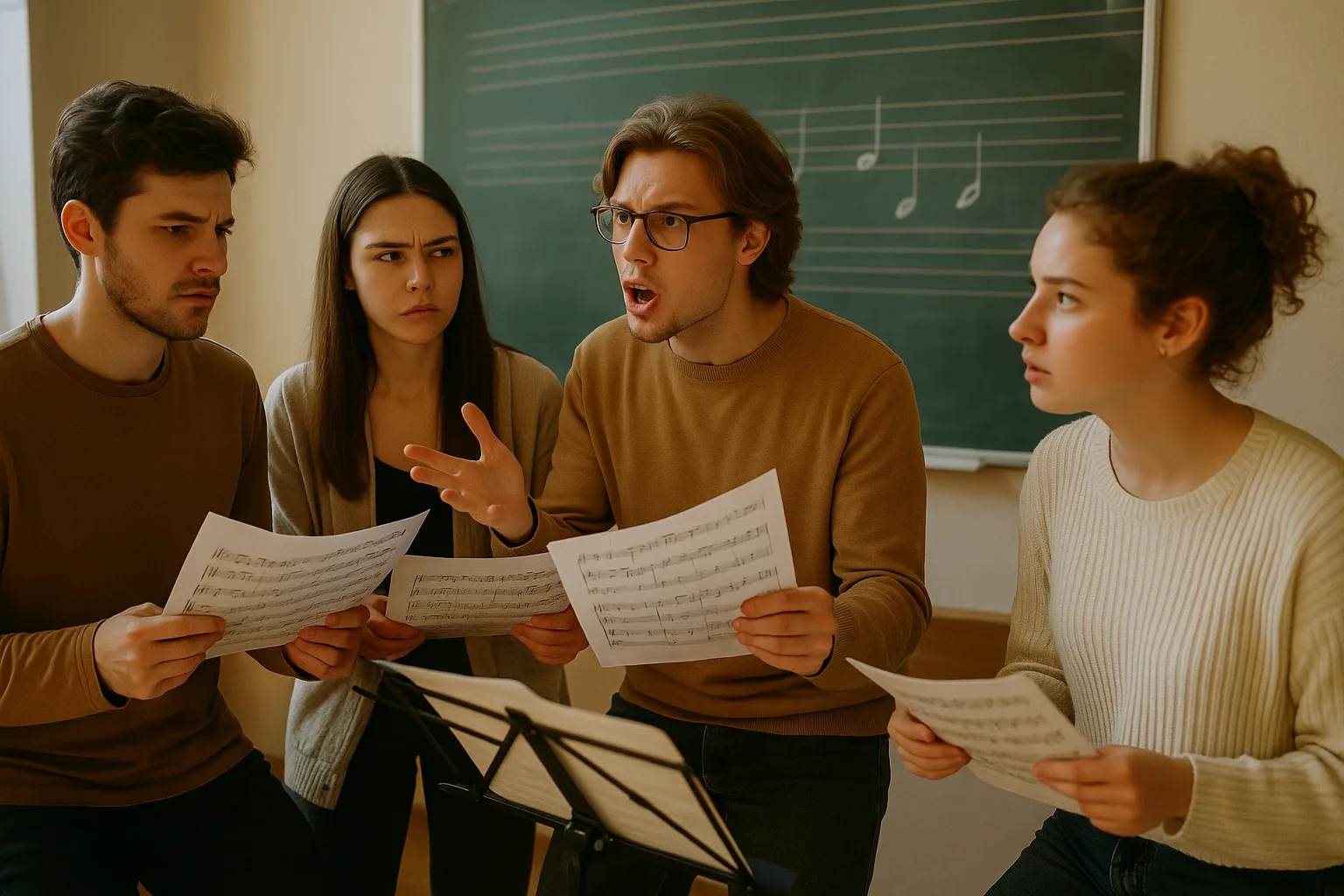
— *Peer teaching and chamber coaching*: Rotate leadership roles in ensembles; students learn faster by explaining and directing peers.
— *Video analysis and reflective journals*: Encourage students to record practice and performances, then annotate strengths and areas for improvement.
— *Differentiated instruction*: Adapt tasks to varying student needs—more creative tasks for advanced learners; structured routines for beginners.
— *Integrate improvisation and ear training*: Even in classical settings, ear skills and creative response boost musicality and adaptability.
Fostering student development (skills, resilience, identity)
Student growth is technical, artistic, and personal.
— Technical routine: Encourage a sustainable daily practice plan (warm-up, technical work, repertoire, sight-reading).
— Artistic development: Promote regular performance—even informal studio concerts—to build interpretative skills.
— Mental health and resilience: Normalize stress-management strategies (breathing, short mindfulness breaks, realistic goal-setting).
— Professional identity: Help students create a simple digital portfolio (audio/video clips, CV, teaching philosophy) early on.
— Career literacy: Teach basic business skills—time management, invoicing, public speaking, and social media presence.
Navigating college life in Ekaterinburg
Balance academic rigour with cultural immersion and practical experience.
— Make use of local venues: volunteer at concerts, assist stage crews, or organize student recitals to build networks and practical skills.
— Cross-department collaboration: Partner with drama, dance, or visual arts students for interdisciplinary projects.
— Time-management framework:
— 1–1.5 hours daily: technique and scale work
— 1–2 hours: repertoire and performance preparation
— 2–3 short practice sessions: spaced for retention
— Weekly: one peer coaching session and one public performance or recording
— Utilize public lectures, masterclasses, and visiting-professor events to expand perspectives.
Preparing for professional life: practical steps for future educators and musicians
A clear, incremental plan accelerates career momentum.
— Build a teaching starter kit:
— A syllabus template for one-on-one lessons
— Graded repertoire lists for different age groups
— Assessment rubrics and progress charts
— Gain diverse experience:
— Private teaching, group classes, early-childhood music, and school partnerships
— Adjudicating local competitions and running workshops
— Network strategically:
— Attend performances and after-concert receptions
— Maintain relationships with professors, visiting artists, and alumni
— Develop audition and portfolio materials:
— High-quality audio/video recordings
— A concise CV and mission statement
— References and documented teaching outcomes
— Continuous learning:
— Take short courses in pedagogy, voice pedagogy (if relevant), or classroom management
— Observe experienced teachers and request feedback
Actionable checklist for the semester (students & novice teachers)
— Week 1: Create a digital portfolio and a 12-week practice calendar.
— Weeks 2–4: Record a baseline performance; set three measurable goals (technique, repertoire, public performance).
— Weeks 5–8: Lead a peer coaching session and organize a studio mini-recital.
— Weeks 9–12: Complete a second recording; compare to baseline and revise goals for the next semester.
— Ongoing: Attend at least one external masterclass and one community concert per month.
Opportunities specific to Ekaterinburg
— Leverage the city’s performance venues and cultural festivals to gain stage experience.
— Partner with local music schools to offer apprenticeship teaching—valuable for CV-building and hands-on learning.
— Engage in community outreach: schools, cultural centres, and parks frequently need musicians for educational programs.
Teaching tools and technologies
— Use affordable recording gear (smartphone + external mic) for practice documentation.
— Adopt simple learning-management tools (shared cloud folders for sheet music and recordings, messaging apps for scheduling).
— Explore apps for ear training, rhythm practice, and metronome/split practice sessions.
Measuring progress and maintaining momentum
— Use rubrics and short-term benchmarks rather than relying solely on competition results.
— Celebrate small wins: first clean run-through, improved intonation, a successful lesson plan.
— Keep a reflective log: what worked, what didn’t, and one specific adjustment to try next week.
Final thoughts
Ekaterinburg offers rich resources for aspiring musicians and educators. By combining evidence-based pedagogical practices, intentional student-development strategies, and pragmatic career planning, students and early-career professionals can shape fulfilling artistic and teaching careers. Start small, stay consistent, and use the city’s cultural fabric to grow—both as a musician and as an educator.
Resources and next steps
— Build a one-page professional portfolio this week.
— Schedule a monthly peer-performance or workshop in your institution.
— Identify two local venues or schools where you can volunteer or teach this semester.
*Small, steady actions—applied consistently—produce lasting musical and pedagogical growth.*