Introduction
Ekaterinburg (also spelled Yekaterinburg) is a dynamic regional center where conservatory training, a lively concert scene and a network of music schools create fertile ground for future educators and professional musicians. This article outlines evidence-based pedagogical practices, strategies for student development, everyday college life tips, and concrete steps for long-term professional growth tailored to the Ekaterinburg context.
The local ecosystem — why Ekaterinburg matters
— Major institutions: Ural State Conservatory (M. P. Mussorgsky), Ural Philharmonic Orchestra and the Sverdlovsk State Academic Opera and Ballet Theatre anchor the city’s classical music life.
— Community infrastructure: municipal music schools, cultural centers, and festival programming provide regular performance and teaching opportunities.
— Practical advantage: a concentrated professional network makes internships, collaborations and mentorships more accessible than in many larger capitals.
Contemporary pedagogical practices for colleges and conservatories
— Student-centered learning: prioritize individualized learning plans that set technical, musical and pedagogical goals for each student.
— Active learning and embodied practice:
— Use *Dalcroze* movement sessions and Orff-based improvisation for rhythm and ensemble cohesion.
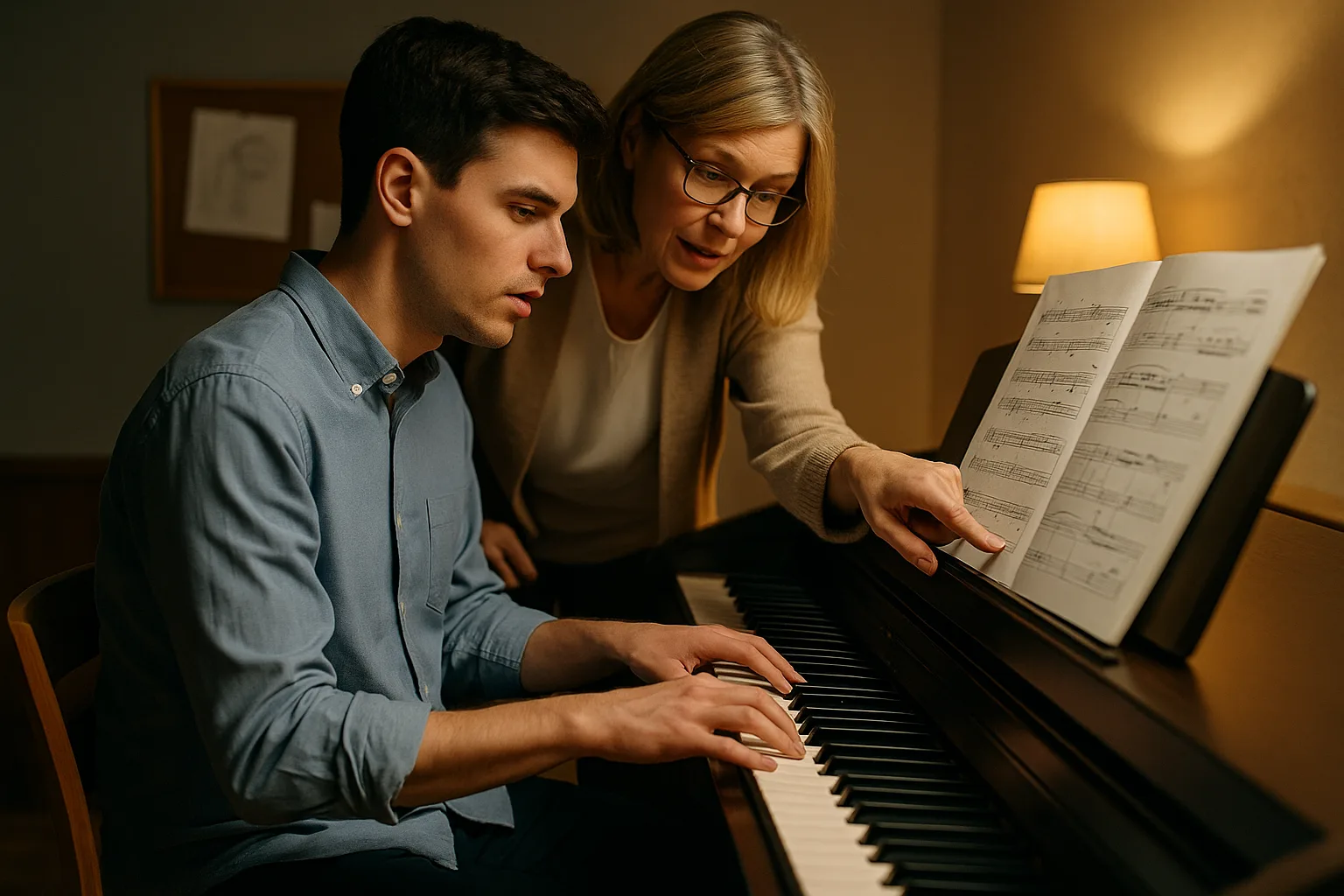
— Incorporate peer teaching to deepen understanding and build communication skills.
— Evidence-based technique instruction:
— Apply slow-to-fast practice, chunking, and deliberate repetition for motor learning.
— Integrate aural training and score study alongside technical work to build musical thinking.
— Culturally responsive pedagogy:
— Include Russian and regional repertoire alongside Western canon to reflect students’ cultural context and to promote engagement.
Curriculum design: balancing performer and teacher training
— Core elements to include:
— Individual lessons, chamber music, conducting/ensemble leadership.
— Pedagogy seminars covering methods (Kodály, Orff, Suzuki), lesson planning, assessment and classroom management.
— Practicums: supervised teaching in municipal music schools or community programs.
— Assessment strategies:
— Portfolio-based evaluation combining recordings, lesson videos, reflective essays and student feedback.
— Formative assessments through regular mock lessons and microteaching.
Technology and hybrid teaching
— Use a blended approach: combine in-person rehearsals with online tools (recording software, virtual whiteboards, video feedback).
— Apps and platforms to implement:
— Practice-tracking apps, high-quality audio/video for masterclasses, and learning management systems for course materials.
— Benefits: allows students to build a public-facing teaching portfolio and create online lessons useful for summer income or remote pupils.
Ensemble work and community engagement
— Foster chamber ensembles as pedagogical labs: rotating leadership roles teach rehearsal technique, programming and conflict resolution.
— Community partnerships:
— Collaborate with the Ural Philharmonic, opera house, schools and cultural centers for outreach concerts, workshops and teaching placements.
— Student projects:
— Organize small festivals or salon concerts in neighborhood cultural houses to build local audiences and practical event experience.
Student development and wellbeing
— Practice routines:
— Emphasize quality over quantity—structured 60–90 minute sessions with focused goals, technique warm-ups, and musical application.
— Mental health and performance anxiety:
— Provide workshops on breathing, mindfulness, and cognitive reframing.
— Normalize peer support groups and faculty mentoring to reduce isolation.
— Financial and time management:
— Teach budgeting for instrument maintenance, travel and audition fees; encourage part-time teaching or ensemble gigs for practical income.
College life in Ekaterinburg: practical tips
— Housing and commuting:
— Seek student housing near the conservatory or an easily accessible tram/metro line to save practice time.
— Building a local network:
— Attend fortnightly concerts at conservatory halls and public rehearsals of the Philharmonic to meet peers and professionals.
— Internships and side work:
— Teach at municipal music schools, accompany exams, or coach youth ensembles—these provide income and evaluation experience.
— Cultural immersion:
— Use the city’s museums, galleries and literary cafés to widen artistic perspectives and collaborative opportunities.
Professional growth: from student to educator/performer
— Build a professional portfolio:
— Collect high-quality recordings, lesson videos, repertoire lists, and references from local mentors.
— Audition and career skills:
— Regular mock auditions; learn repertoire suitable for regional theaters and orchestras.
— Develop CV and artist/teacher bios in Russian and English for international opportunities.
— Networking and mentorship:
— Seek long-term mentors among conservatory faculty and visiting artists; attend masterclasses and festivals.
— Continuing education:
— Pursue short courses in pedagogy, conducting, music technology and arts administration; local