Introduction
Ekaterinburg sits at the crossroads of Russia’s rich musical heritage and dynamic contemporary culture. For students training to become musicians and music educators, the city offers a unique ecosystem: conservatory-level instruction, vibrant municipal cultural life, and growing opportunities for innovative pedagogical practice. This article outlines practical strategies for teaching and learning, addresses student development and college life, and maps pathways for professional growth tailored to Ekaterinburg’s context.
The local context: tradition and opportunity
— Ekaterinburg’s music schools and higher-education institutions carry a legacy of rigorous technical training while increasingly embracing student-centered and research-informed approaches.
— The city’s concert halls, community festivals, and municipal arts programs provide frequent performance and outreach platforms for emerging musicians and teacher-trainees.
— Collaboration between conservatories, schools, and cultural centers creates a realistic training ground for pedagogical and professional skills.
Modern pedagogical practices for music educators
— Emphasize blended pedagogy:
— Combine *mastery-based technical drills* with *project-based learning* (ensemble projects, composition labs, interdisciplinary collaborations).
— Use technology (recording, DAWs, online lesson platforms) to support practice, assessment, and remote teaching.
— Focus on differentiated instruction:
— Adapt lesson plans to diverse learners—age, cultural background, and ability—using scaffolded goals and formative feedback.
— Cultivate reflective practice:
— Encourage teaching journals, peer observations, and supervision sessions to translate classroom experience into pedagogical growth.
— Integrate aural skills, musicianship, and pedagogy:
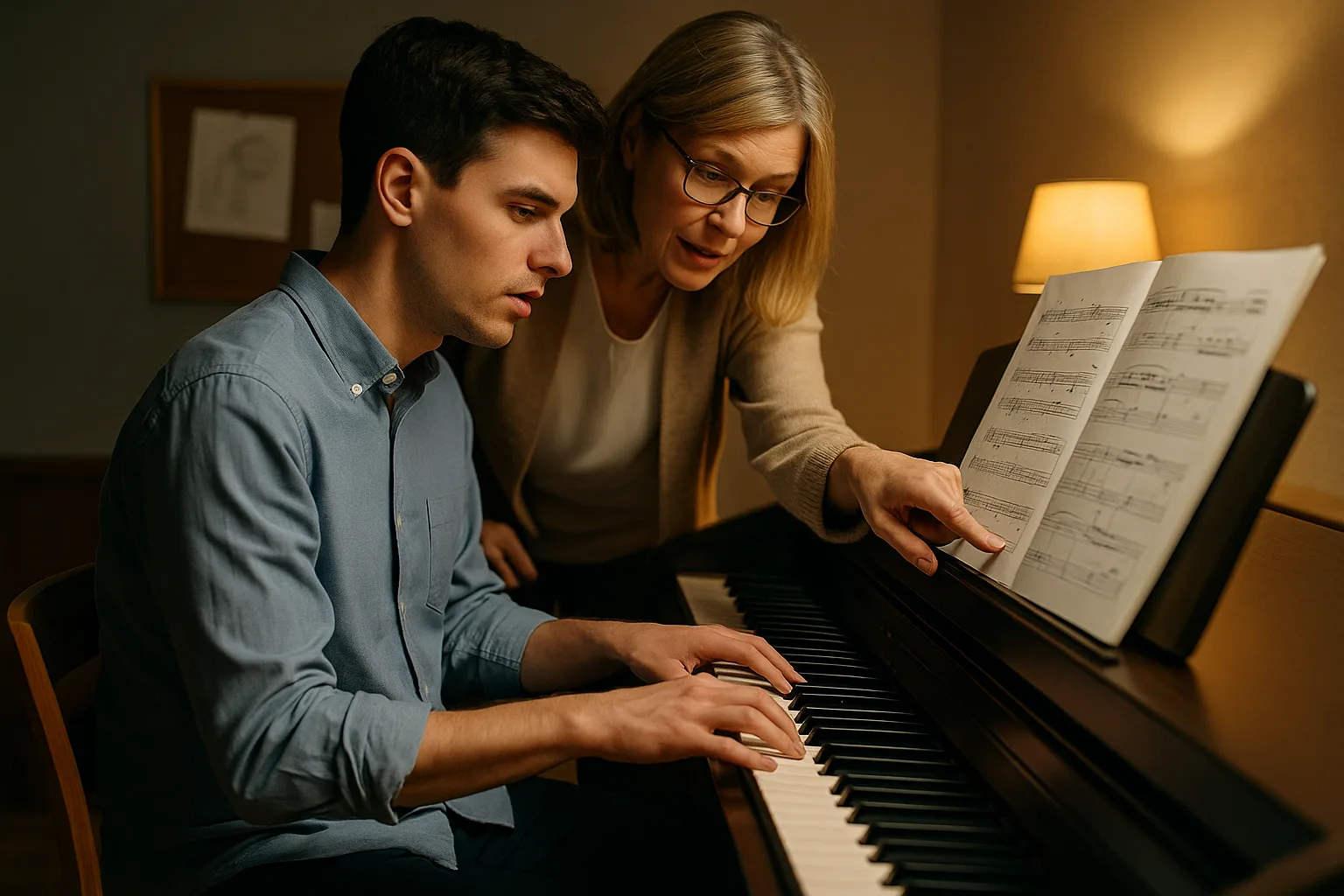
— Design lessons that balance performance technique with ear training, improvisation, and pedagogical reflection (e.g., student-teaching micro-lessons).
Student development: beyond technique
— Holistic musicianship:
— Prioritize communication, stage presence, listening, and collaborative skills alongside repertoire and technique.
— Self-regulated learning:
— Train students to set measurable practice goals, use practice logs, and evaluate progress through recordings and teacher conferences.
— Performance readiness and resilience:
— Simulate concert conditions in class, teach coping strategies for stage anxiety, and foster a culture of peer support.
— Research and inquiry:
— Encourage small-scale pedagogical research projects (curriculum experiments, case studies in local schools) to connect theory and practice.
College life in Ekaterinburg: balancing studies and growth
— Time management strategies:
— Structure a weekly routine that balances individual practice, ensemble rehearsals, pedagogy coursework, and rest.
— Community and networking:
— Join ensembles, student unions, and city arts initiatives to build a professional network early.
— Health and wellbeing:
— Promote physical health (ergonomics, vocal care, injury prevention) and mental health resources—counseling, peer groups, and mentorship.
— Financial and career planning:
— Seek local scholarships, teaching assistant roles, and paid performance gigs to gain experience and reduce financial stress.
Professional growth: launching a career in Ekaterinburg (and beyond)
— Build a teaching portfolio:
— Include lesson plans, video excerpts of teaching, assessments, testimonials, and sample syllabi for different age groups.
— Gain practical experience:
— Arrange supervised teaching in municipal and private schools; run weekend workshops and summer music camps.
— Lifelong learning:
— Attend masterclasses, regional conferences, and short courses in areas like inclusive pedagogy, music technology, and entrepreneurship.
— Network strategically:
— Collaborate with cultural institutions, theatres, and festival organizers to create joint projects and visibility.
— Entrepreneurship and diversification:
— Develop online lessons, exam preparation packages, arranging/composition services, and community outreach programs to diversify income streams.
Practical steps for students and teacher-trainers in Ekaterinburg
— Short-term (this semester):
— Join or start an ensemble that performs publically; record and critique rehearsals.
— Complete a micro-teaching cycle: plan, teach, reflect, and revise.
— Mid-term (6–18 months):
— Publish a lesson study or article in a student journal; apply for local grants or teaching assistantships.
— Build an online presence: a simple site with bio, video samples, and contact info.
— Long-term (3+ years):
— Establish a regular outreach program in local schools or eldercare centers.
— Seek postgraduate study or professional certifications that match career aims.
Leveraging Ekaterinburg’s cultural assets
— Partner with municipal cultural programs to create reciprocal learning: students gain teaching hours and performance platforms; communities receive accessible music education.
— Use local festivals and concert venues for capstone performances and teaching demonstrations.
— Engage with interdisciplinary projects (dance, theatre, visual arts) to broaden pedagogical and creative vocabulary.
Conclusion
Ekaterinburg offers a fertile landscape for future musicians and educators to grow—rooted in tradition yet open to innovation. By combining rigorous technique with reflective pedagogy, harnessing local cultural networks, and embracing diversified professional strategies, students can build sustainable careers and meaningful impact in their communities. Start small, collaborate widely, and treat every performance and lesson as an opportunity to learn and teach